
Tax credits for energy efficiency upgrades in industrial facilities present a strategic opportunity for businesses to enhance their financial performance. These incentives can greatly offset initial costs associated with advanced technologies. Additionally, they contribute to lower operational expenses and improved productivity. Understanding the eligibility criteria and maximizing these credits is essential for facilities aiming to capitalize on both immediate and long-term benefits. The implications extend beyond finances, raising questions about sustainability and regulatory compliance.
Key Takeaways
- Tax credits significantly reduce the initial investment costs for energy-efficient upgrades in industrial facilities, enhancing overall financial viability.
- Upgrades can lead to operational savings of 10% to 50% on utility bills, improving profit margins.
- Compliance with energy efficiency standards can enhance property value and marketability of industrial facilities.
- Implementing energy-efficient technologies decreases maintenance costs, contributing to long-term financial stability.
- Tax credits promote sustainability, improving reputation and stakeholder relations in eco-conscious markets.
What You Need to Know About Energy Efficiency Tax Credits
When considering energy efficiency upgrades, it is essential to understand the available tax credits that can considerably offset costs. These tax credits for energy efficiency upgrades incentivize businesses to invest in modern, sustainable technologies. By reducing initial expenditures, they enhance financial return on investment, making energy-efficient solutions more accessible. Moreover, various federal and state programs often provide distinct credits, each with specific eligibility requirements and benefits. Understanding these options allows facility managers to strategically plan upgrades that align with both sustainability goals and budgetary constraints. In this scenario, tax credits not only contribute to operational savings but also foster a sense of community engagement in promoting environmental responsibility. Consequently, knowledge of these credits is crucial for informed decision-making.
Eligibility Criteria for Tax Credits on Energy Efficiency Upgrades
Understanding the eligibility criteria for tax credits on energy efficiency upgrades is essential for businesses looking to maximize their financial incentives. Various factors determine whether a facility qualifies for these tax credits:
- Type of Upgrade: Specific energy-efficient improvements must be made, such as HVAC systems or insulation.
- Compliance with Standards: Upgrades must meet recognized energy efficiency standards, like those set by the Department of Energy.
- Verification Process: Facilities may need to undergo inspections or assessments to confirm the effectiveness of upgrades.
- Project Size: Certain credits may only apply to projects exceeding a minimum cost threshold.
- Timeline: Upgrades must be completed within specified timeframes to qualify for tax credits.
Navigating these criteria can notably enhance access to available incentives.
Financial Benefits of Energy Efficiency Upgrades
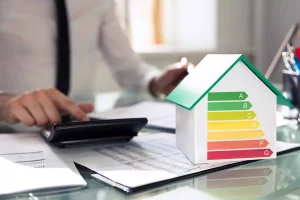
Investing in energy efficiency upgrades can yield significant financial benefits for industrial facilities. These upgrades often lead to reduced operational costs, primarily through lower utility bills. Facilities that implement energy-efficient systems can see energy savings ranging from 10% to 50%, depending on the technology and existing infrastructure. Additionally, tax credits for energy efficiency upgrades can further enhance these savings, effectively lowering the initial investment required for such improvements. Beyond immediate cost savings, facilities may also benefit from increased productivity and reduced maintenance costs associated with newer, more efficient systems. This combination of lower expenses and potential tax incentives creates a compelling financial argument for investing in energy efficiency, fostering a sense of collective responsibility among businesses committed to sustainable practices.
Long-Term Financial and Environmental Benefits
Implementing energy efficiency upgrades offers substantial long-term financial and environmental benefits for industrial facilities. These benefits extend beyond immediate savings, influencing operational sustainability and regulatory compliance.
Key advantages include:
- Cost Reduction: Lower utility bills through decreased energy consumption.
- Increased Asset Value: Enhanced property worth due to sustainable practices.
- Regulatory Compliance: Alignment with environmental regulations, mitigating legal risks.
- Market Competitiveness: Improved reputation among eco-conscious consumers and stakeholders.
- Carbon Footprint Reduction: Significant decrease in greenhouse gas emissions, contributing to global sustainability efforts.
How Can Industrial Facilities Maximize Your Tax Credit Benefits?
Maximizing tax credits for energy efficiency upgrades requires a strategic approach that leverages both financial opportunities and operational enhancements. Industrial facilities can begin by conducting thorough energy audits to identify areas for improvement, ensuring that all upgrades meet the specifications necessary for tax credit eligibility. Collaborating with certified energy professionals can further optimize project designs, enhancing efficiency and compliance. Facilities should also maintain meticulous documentation of all expenditures and installations, as this is essential for substantiating claims. Engaging stakeholders in a culture of sustainability fosters a collective commitment to energy efficiency, amplifying the impact of these upgrades. By integrating these strategies, industrial facilities can effectively maximize tax credits for energy efficiency upgrades, resulting in significant financial and environmental benefits.
Frequently Asked Questions
How Do I Apply for Tax Credits for Energy Efficiency Upgrades?
To apply for tax credits for energy efficiency upgrades, individuals should consult local tax authorities, gather necessary documentation, and complete the relevant application forms, ensuring compliance with guidelines to maximize potential benefits available through these credits.
Are there specific deadlines for Claiming These Tax Credits?
Yes, specific deadlines exist for claiming tax credits for energy efficiency upgrades. Typically, these deadlines align with the tax filing dates, requiring careful planning to guarantee eligibility and maximize potential financial benefits for industrial facilities.
Can Tax Credits Be Combined With Other Incentives or Grants?
Tax credits for energy efficiency upgradeclaiming these tax credits?ncentives or grants, enhancing financial benefits. This synergy allows industrial facilities to maximize resources, promoting sustainable practices while reducing overall upgrade costs.
What Types of Upgrades Qualify for Tax Credits?
Upgrades that qualify for tax credits typically include improvements to heating, ventilation, air conditioning systems, lighting, insulation, and energy-efficient machinery. These enhancements aim to reduce energy consumption and promote sustainability within industrial facilities.
How Do Tax Credits Impact Property Valuation or Resale?
Tax credits for energy efficiency upgrades positively influence property valuation and resale potential by enhancing marketability. Energy-efficient features appeal to buyers, often leading to higher selling prices and increased overall property value in competitive markets.
Conclusion
To sum up, tax credits for energy efficiency upgrades present a compelling opportunity for industrial facilities to reduce operational costs while promoting sustainability. By lowering initial investment barriers and fostering advanced technological adoption, these incentives not only enhance financial performance but also support long-term environmental goals. As facilities increasingly prioritize eco-friendly practices, leveraging available tax credits will be essential in maximizing financial returns and aligning with regulatory standards, ultimately contributing to a more sustainable industrial landscape.
You May Also Like To Read: